The Adriatic Real Estate Market in 2026: New Trends, Rising Prices, and Why Istria Leads
If you’ve spent the past few months gazing at the blue of the Adriatic Sea, imagining how nice it would be to have your own spot in the sun, you’re not alone. Throughout 2026, we are witnessing a fascinating transformation of the coastal belt. The Adriatic coast is no longer merely a seasonal retreat for summer holidays; it has become one of the most dynamic and sought-after investment hotspots in Southern Europe. When we speak of a concept such as the real estate market in Croatia, today it is highly positioned and on the radar of serious international buyers seeking a specific lifestyle, security, and a stable return on investment.
European buyers, encouraged by the long-term economic stability of the eurozone and Croatia’s excellent transport connections, are exploring opportunities along the coast more actively than ever. Official data and analyses point to record transaction volumes. But what makes this year different from the previous ones is a profound shift in the perception of value. Buyers no longer settle for compromises. Today, the demand is for concept, sustainability, top-tier architecture, and services that make life easier. In this great investment race, Istria has emerged as the absolute leader, setting standards that others are only just trying to follow.
An Overview of the Adriatic Real Estate Market: Where Are We Today?
When analyzing real estate on the Adriatic, 2026 is proving to be a year of clear market stratification. Average property prices along the coastal belt have recorded steady growth. While average, older apartments are seeing moderate stagnation or only a slight price increase due to renovation costs and stricter energy regulations, new builds in premium locations are literally breaking records.
If we draw a parallel with traditional European markets such as Spain (Costa del Sol), Portugal (the Algarve), or Italy’s Tuscany, we notice a very interesting trend. Although these destinations have been synonymous with luxury summer holidays and investment for decades, their oversaturation and high tax pressures have driven modern investors to seek fresher, better-preserved, and safer regions. The Croatian coast offers exactly that — incredible natural beauty that has not yet fallen victim to mass, aggressive overdevelopment, yet with all the advantages of a modern European way of life.
This year’s transaction volume clearly shows steady growth in the share of foreign buyers. More than a third of all sales contracts on the Adriatic coast are concluded by citizens of other European Union member states. This influx of foreign capital also brings a change in construction standards. Foreign buyers bring habits from their home markets, demanding top-quality materials, impeccable legal clarity of projects, and the long-term sustainability of the property.
Who Is Buying Real Estate on the Adriatic?
The profile of today’s buyer on the Adriatic is exceptionally interesting and differs considerably from a decade ago. Traditionally, our coast attracts buyers from Germany, Slovenia, and Austria, who see it as a natural extension of their home countries due to geographical proximity. However, in 2026 we are recording a huge wave of interest from the markets of Central and Eastern Europe — Poles, Czechs, and Slovaks are becoming key players in the premium property market. They are no longer looking merely for modest holiday cottages, but investing in luxury villas and modern residential complexes.
The motivation behind these purchases falls into several clear categories:
- Lifestyle: The desire to own a second home where one can stay for several months a year, enjoying the Mediterranean climate and gastronomy.
- Smart investment: Preserving the value of capital in times of inflationary pressure by investing in a tangible asset that grows over the long term.
- Retirement or remote work: Planning the future in a calmer environment, but with top-tier infrastructure.
- Commercial yield: Generating stable income through tourist rentals.
Particularly fascinating is the growing share of buyers under the age of 45. These are tech entrepreneurs, remote-working professionals, and high-spending digital nomads. They look for fast internet connections, top-equipped fitness centers within the complex, swimming pools, and a concierge service that will take care of all the technical details.

The Main Trends Shaping the Market in 2026
When we analyze movements in the Croatian real estate market, one of the key factors shaping its dynamics is the limited supply of property in the most attractive locations. Front-row seafront properties represent a naturally limited resource whose availability cannot be increased. At the same time, stricter spatial plans and regulations aimed at preserving the coast significantly limit the development of large new projects. As a result, the market faces a long-term imbalance between supply and demand, which continuously supports the growth in value of quality properties.
The strong development of Croatian tourism also plays an important role. The extension of the tourist season — especially in regions such as Istria, where it lasts almost all year round — further increases the appeal of properties with potential for tourist rental. Such properties achieve significantly higher market values because, in addition to a prestigious location, they also represent an investment asset capable of generating stable income. A growing number of buyers recognize precisely this dual value: the ability to use the property personally while simultaneously earning a long-term yield through rental.
The Premium Segment as the Dominant Growth Category
Amid a sea of different properties, the premium segment — which includes luxury villas, designer apartments, and so-called resort residences — records the largest and most stable growth. We are witnessing a historic shift from the “classic apartment” to the “resort lifestyle.” What does this actually mean? The modern buyer no longer wants to buy an apartment in a six-unit building where they have to take care of cleaning the stairwell, repairing the roof, landscaping, and finding guests if they decide to rent it out.
Today the focus is on managed properties (branded or managed residences). The buyer purchases a fully furnished, luxury apartment within a gated resort that offers five-star hotel services — from maintenance, security, and reception all the way to wellness and restaurants. When the owner is not staying in the property, the resort management takes complete care of bookings and guests, ensuring the owner a worry-free return on investment (a hands-off investment).
One of the most pronounced trends that has marked the real estate market this year is the growing importance of energy efficiency and sustainability in purchasing decisions. This is influenced by European directives on the energy performance of buildings, but also by buyers’ growing awareness of the long-term value of well-designed, energy-efficient properties.
Buyers today make informed decisions and, alongside location and build quality, pay particular attention to the technical characteristics of the building. Questions about the thickness of thermal insulation, heating and cooling systems, heat pumps, solar panels, and overall energy efficiency have become a standard part of the buying process.
Properties with high energy ratings, such as the A and B categories, achieve a significant market advantage. Besides generally selling faster, they also command higher sale prices compared to less energy-efficient buildings. Energy-efficient construction is today no longer merely an added benefit or marketing advantage, but one of the key indicators of a property’s long-term value. Lower operating costs, compliance with future regulatory requirements, and greater resilience to market changes make such projects especially attractive to buyers and investors who think long term.
Istria: Why It Leads as an Investment Destination
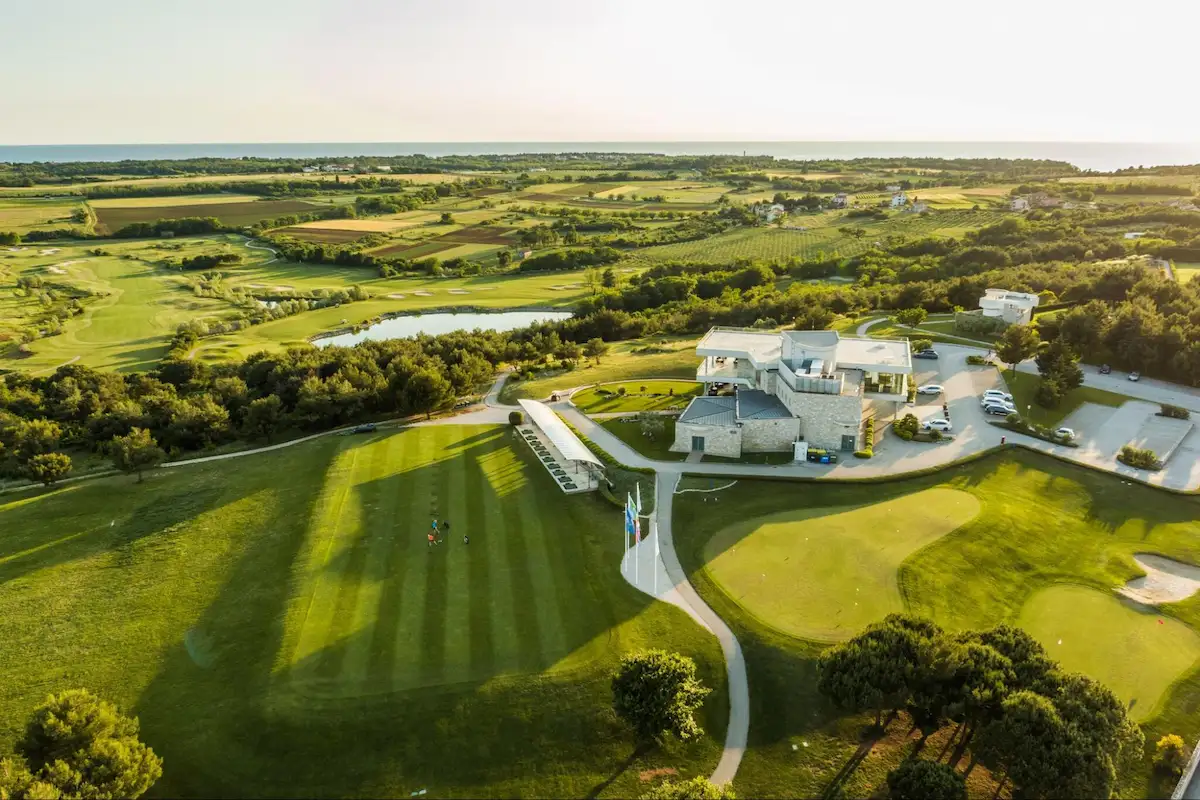
If the entire Adriatic is appealing, in 2026 Istria has become a class of its own. This region — proudly called the “Croatian Tuscany” — has managed to achieve what many across the Mediterranean have missed: a perfect balance between authentic tradition, top-tier gastronomy, and modern infrastructure.
Istria’s strategic position is its greatest logistical advantage. For a buyer from Munich, Vienna, Ljubljana, or Milan, Istria is a “drive-to” destination. This accessibility by car gives Istria incredible resilience to any global disruptions in air travel and makes it ideal for weekend floods of visitors throughout the year.
Within the region itself, the infrastructure has been brought to perfection. The Istrian Y motorway enables fast and safe traffic flow, the marinas are equipped to the highest world standards, and Pula Airport is excellently connected to key European centers. Most importantly, Istria successfully lives all twelve months of the year. Its wine roads, olive groves, truffle festivals, and cultural events attract visitors even in the dead of winter, which guarantees real estate investors a significantly longer rental season than in the rest of the country.
When we compare it with Dalmatia, Istria often wins precisely in the segment of spatial organization and yield stability. While Dalmatia captivates with its wild beauty and islands, Istria offers a more refined, more commercially predictable setting with consistent service quality. Compared, in turn, with the South of France or Italian Tuscany, where property prices have reached astronomical and barely profitable levels, in 2026 Istria offers top-tier European quality of life and construction, but with significantly greater potential for capital growth and a more attractive return on investment.
Savudrija and Northwestern Istria: A Growing Micro-Market
Within Istria itself, the northwestern part — with an emphasis on Savudrija and the surroundings of Umag — has profiled itself as the hottest micro-market on the entire Adriatic. Located at the very tip of the Istrian peninsula, a step away from the Slovenian and Italian borders, Savudrija has become a true luxury enclave.
Here, a perfect union of geography and vision has taken place. Due to historically lower development compared to some more southern parts of the coast, this micro-location offered investors a “blank canvas” for creating ambitious, integrated, high-category projects. The limited supply of land directly by the sea, combined with an explosion of demand, has resulted in incredible capital growth. If you are looking for the location where Adriatic real estate is achieving the greatest jump in value in 2026, Savudrija is without a doubt at the very top of that ladder. Standing out as the ultimate leader of this micro-market is the unique Petram Resort & Residences project, which has redefined the concept of luxury holidays and smart investment on the northern Adriatic. This project vividly demonstrates how visionary planning creates unique value in a location where demand constantly outstrips supply.
Petram Resort & Residences: An Answer to Market Trends
When we analyze all these global and local trends — the need for a premium lifestyle, the search for managed properties with high yields, the imperative of energy efficiency, and the sheer appeal of northwestern Istria — we come to the conclusion that they are not merely theoretical concepts. They are materialized in a project that has become synonymous with modern luxury living on the Mediterranean: Petram Resort & Residences.
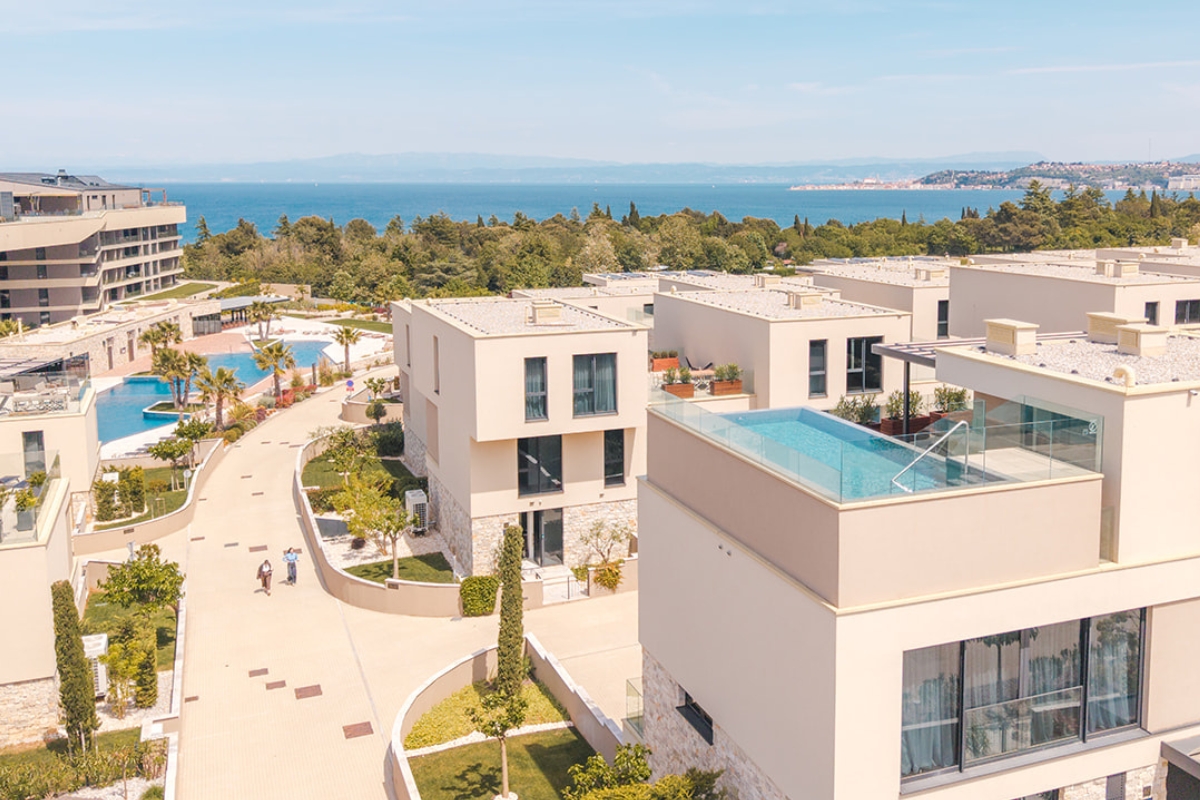
Set in a beautiful, commanding location in Savudrija, Petram Resort represents a direct, visionary answer to all the demands that 2026 places on construction. This is not just a collection of beautiful buildings; it is a carefully conceived ecosystem that perfectly embodies the transition from classic property ownership to a complete resort lifestyle.
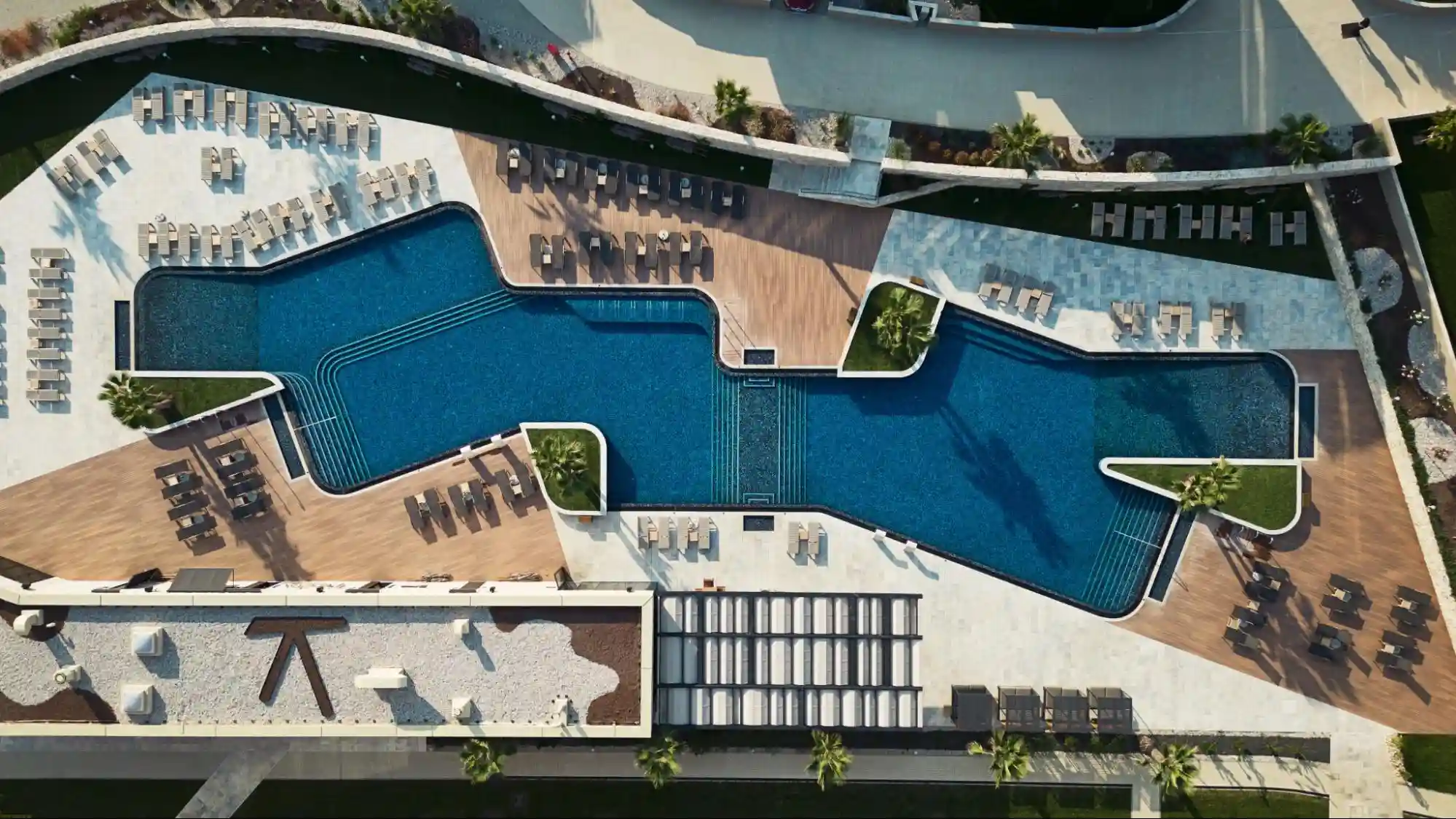
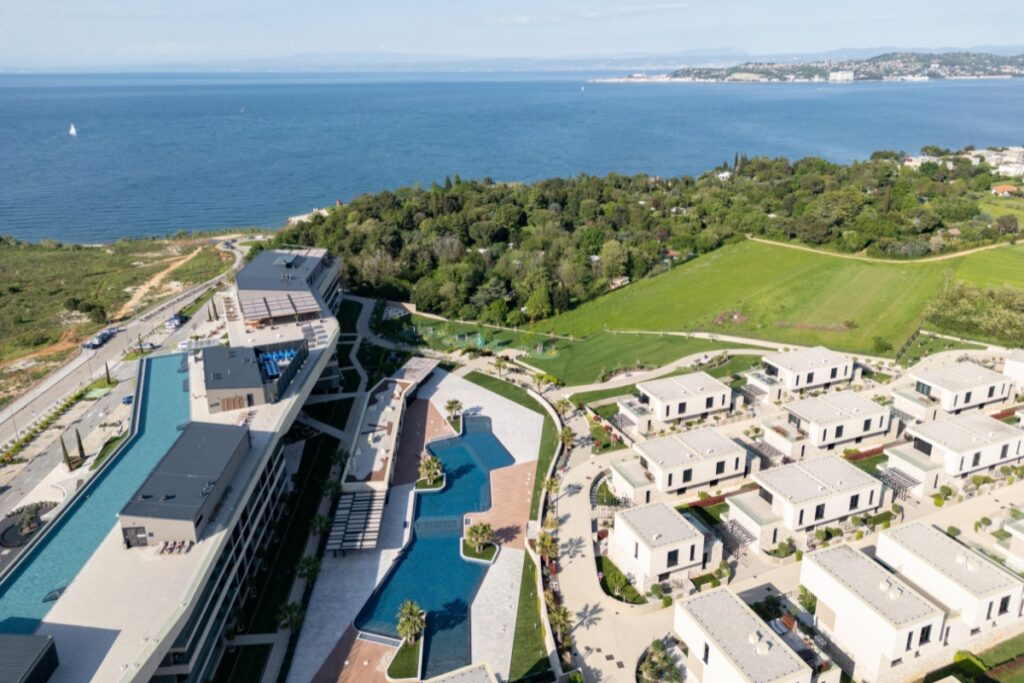
Petram Resort offers a managed-residences concept, which makes it ideal for modern investors who value their time. The resort’s professional management takes care of absolutely everything — from the technical maintenance of systems, cleaning, and security of the complex all the way to the complete rental process through an integrated, high-category system. Architecturally and technically, the project has been executed with deep respect for sustainability. The highest-quality materials have been used, ensuring superb energy efficiency and the longevity of the structure, satisfying the strict ecological standards of modern buyers. The resort’s visual identity — with an emphasis on the spectacular 105-meter-long rooftop infinity pool, the largest in Europe — offers that recognizable aesthetic signature that guarantees the property timeless appeal on the market.
What further sets Petram apart on the market in 2026 is absolute transparency. This provides the maximum legal security that is the foundation of every smart investment.
What to Expect by the End of 2026 and Beyond?
Forecasts for the rest of 2026 point to a continuation of steady growth in property prices, especially in the premium market segment. Although inflation is gradually stabilizing, construction costs remain high, while the value of land in the most attractive locations — particularly along the coast — continues to rise due to its limited availability. It is precisely this imbalanced relationship between supply and demand that will continue to be one of the key drivers of the market.
For investors and buyers considering entering the Adriatic real estate market, it is especially important to understand that the number of prime locations is limited. As supply gradually shrinks, opportunities to invest in projects in the most desirable positions are becoming ever rarer.
In the medium term, further consolidation of the market is expected. Properties and projects that cannot meet contemporary standards of quality, energy efficiency, location, and amenities will face greater pressure for price corrections. At the same time, projects that combine top-tier architecture, quality construction, a premium location, and a complete living or holiday experience will continue to strengthen their market position and long-term value.
Investing in real estate on the Adriatic, and especially in Istria, today goes beyond the mere purchase of living space. It is a strategic investment in one of the most promising regions of the Mediterranean — one that combines quality of life, security of investment, and long-term potential for asset value growth. In this context, projects such as Petram Resort represent an example of a modern concept that meets the expectations of today’s buyers and investors, combining a prestigious location, top-tier execution, and sustainable long-term value.