Istria – “Little Tuscany”
Istria – “Little Tuscany”
For decades, Istria has been developing as one of the most recognizable Mediterranean destinations, and its appeal stems from a combination of landscape, gastronomy, cultural heritage and proximity to the sea. The comparison with Tuscany is often used because of its picturesque hills, vineyards, olive groves and historic settlements, but Istria has its own identity that makes it recognizable on the international market.
For a luxury property buyer, the value of the region does not derive solely from its popularity as a tourist destination. Its ability to retain its appeal beyond a single part of the year is also important, as is its recognition among buyers from different countries. Istria relies on a diversity of experiences: from coastal towns and well-equipped marinas to an inland area characterized by vineyards, olive groves and medieval towns.
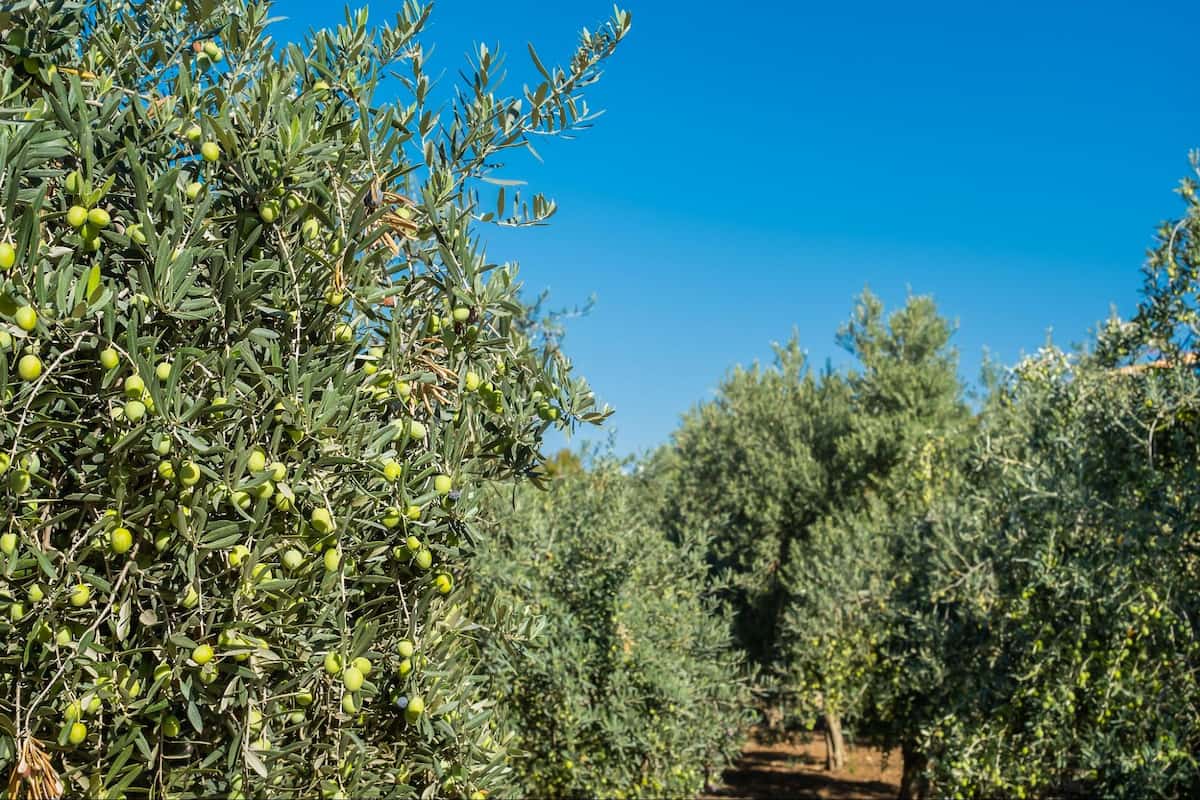
Gastronomy is one of the key elements of this identity. Local wines, extra virgin olive oils and Istrian truffles form part of the regional offering that attracts guests interested in authentic experiences. Such a reputation contributes to the overall perception of Istria as a destination where quality of life is not limited to staying by the sea, but also includes culture, local production and the opportunity to explore different parts of the region.
For a property owner, this diversity can be important beyond personal enjoyment. A destination with multiple reasons to visit can have a broader profile of potential guests, while a recognizable regional identity can contribute to the interest of buyers looking for property on the Adriatic. Nevertheless, the market value of an individual property does not automatically result from the popularity of the region. It is also influenced by the specific location, quality of the property, availability of amenities, and the terms of purchase and ownership. This is precisely why Istria is interesting in the context of long-term property planning: it is a region whose appeal is based on several interconnected values rather than on a single tourist attraction.
Location and the advantages of living on the Adriatic coast
Location is one of the fundamental factors when choosing a luxury property. Alongside architecture, spatial layout and privacy, buyers assess the natural surroundings, access to infrastructure and ease of arrival. On the northwestern coast of Istria, the Savudrija area offers a combination of Adriatic scenery and connectivity with several important European markets.
The proximity of the sea, Mediterranean climate and large number of sunny days make this region attractive for stays during the warmer part of the year. The coastal landscape, scent of Mediterranean vegetation and natural surroundings further shape the living experience. For a buyer planning to use the property as a second home, these elements can be as important as the floor area or interior design itself.
Connectivity with European markets
Istria occupies a favorable geographical position in relation to Central Europe. Road connections with Slovenia, Italy and the rest of Croatia enable arrival by car, which is particularly relevant for owners who want flexibility when planning shorter or longer stays.
Important transport routes include the Istrian Y motorway and the Slovenian road network, through which the region is connected with Ljubljana, Trieste and the wider Central European area. For international buyers, access to airports further expands travel options. Depending on the point of departure and chosen mode of transport, airports in Trieste, Pula, Ljubljana and Venice may be considered, with actual travel times varying according to season, traffic and available connections.
Such connectivity can make it easier for owners who live in several countries or frequently travel for business to use the property. Nevertheless, when assessing a location, it is useful to check specific routes, flight frequency and seasonal changes in transport availability rather than relying on general estimates of distance.
Golf and amenities in the immediate surroundings
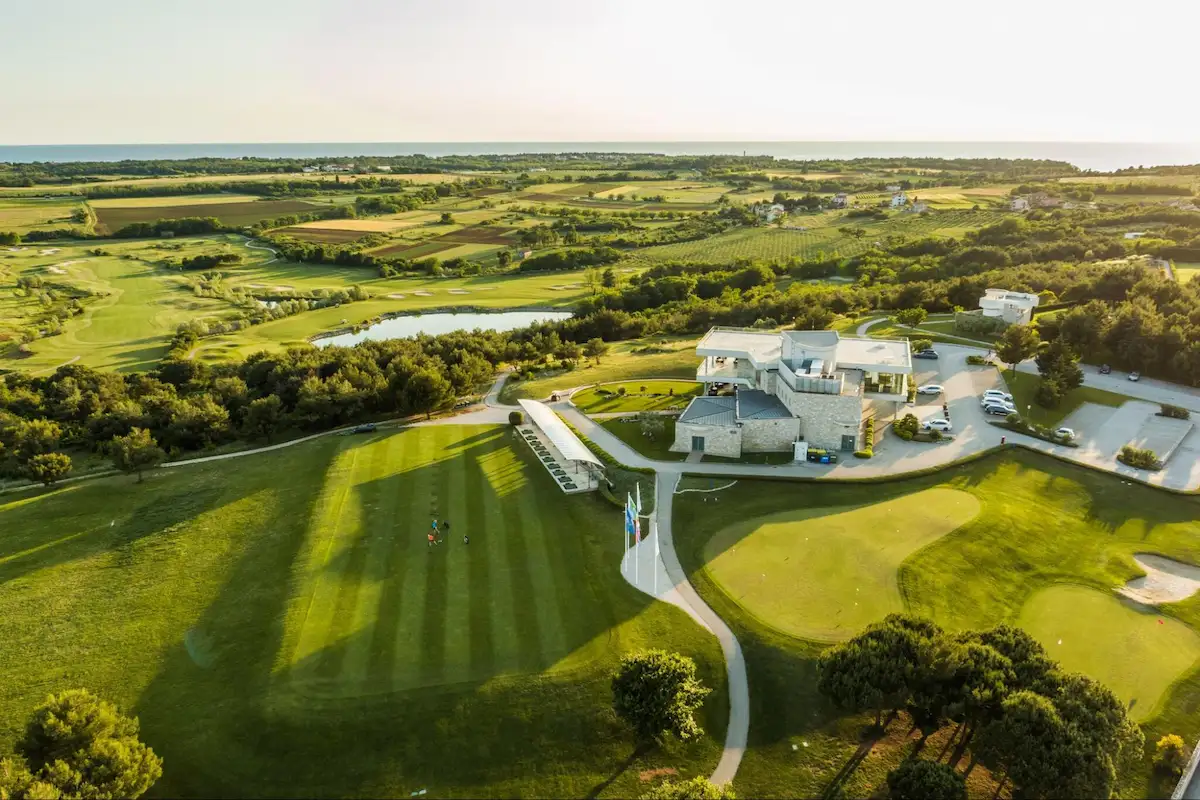
The availability of amenities in the surrounding area can further influence how a property is used. Golf, gastronomy, wellness and opportunities for active leisure are part of the broader experience that attracts a particular segment of luxury property buyers. In northwestern Istria, golf and premium tourism amenities form part of the regional offering, and their proximity can be relevant when choosing a home for personal use or considering its potential for rental.
For investment assessment, it is important to distinguish between amenities located within the resort itself and those in its wider surroundings. Their availability, opening hours and terms of use may differ, so they should be checked for the specific property and current offering.

A home that can be used throughout the year
One of the advantages of property on the Adriatic is the possibility of different forms of use. It can serve as a second home for holidays, a place for longer stays outside the main tourist season, or a property that, depending on the terms and management arrangements, is occasionally rented out.
Year-round usability, however, is not only a question of climate. It is affected by the property’s technical equipment, heating and cooling, access to amenities outside the season, and the possibility of maintaining and managing the property. A buyer thinking long term is advised to assess the actual costs of ownership and the planned way of using the property so that the decision is based on a complete picture rather than only on the attractiveness of the location.
For a property in Petram Resort, the combination of the coastal setting and availability of amenities can represent an important part of the property’s overall value. The final investment assessment, however, should always take into account the characteristics of the specific property and the terms under which it is acquired.
Why invest in Croatia
Croatia has been a member of the European Union since 2013 and adopted the euro on 1 January 2023. For international buyers, this means that investment takes place within a European legal and institutional framework and, for transactions in euros, without the need to convert between the euro and the domestic currency.
Such an environment may be relevant to buyers who want to hold part of their assets outside their home country, particularly if they already own property or other investments in their domestic market. Nevertheless, EU and euro-area membership alone does not eliminate all investment risks. Legal verification of ownership, contracts, tax obligations and the status of the property remains an essential part of the purchase process.
Luxury property and limited availability of locations
The luxury property market differs from the broader residential market because buyers often seek a specific combination of location, privacy, quality of construction and available amenities. Such characteristics cannot always be replicated in another location, especially in coastal areas with limited room for development.
Nevertheless, claims about price growth or a shortage of supply should be considered through data for the specific segment and period. Not every seaside property is automatically rare, nor does every luxury property increase in value. Comparing similar properties, analyzing completed transactions and assessing future supply can help determine how differentiated a particular property is in the market.
In this context, buying in a resort may be interesting to buyers seeking a clearly defined property in a recognizable setting. It is crucial to understand what is included in the purchase, which benefits are connected with the property, and what the long-term management costs are.
Tourism potential and rental income
Croatia has a developed tourism offering, and Istria is among the regions attracting domestic and international visitors. For an owner, this may create an opportunity to generate income from tourist rentals, provided that legal, operational and contractual conditions are met.
Rental income, however, is not the same as net return. The assessment should include seasonality, expected occupancy, nightly rates, management, maintenance and insurance costs, taxes and any fees associated with the resort. It is also important to check whether there are restrictions regarding the use or rental of the property.
For buyers who want to combine personal use and rental, it is essential to create a realistic usage scenario. The number of days during which the owner uses the property directly affects its availability to guests and therefore potential income. The assessment should be individual and based on verifiable assumptions rather than a pre-promised return.
Investment argument: a core asset for a UHNW buyer
For a buyer with very high net worth (UHNW), luxury property can have several functions within a broader portfolio. In addition to personal use, it can represent a long-term asset, a potential source of income and a means of geographic diversification. However, its role depends on the overall asset structure, investment horizon and the owner’s willingness to accept the costs and risks associated with property.
Security of capital and the legal framework
As a member of the European Union, Croatia provides an institutional and legal framework that is important for cross-border transactions. For a property buyer, this includes the possibility of checking land-register status, contractual rights and obligations, and relevant regulations governing the acquisition and use of property.
Nevertheless, legal security does not mean that every transaction is risk-free. Before purchase, it is necessary to check the land-register extract, any encumbrances, building and occupancy documentation, land status and all contractual relationships that may affect ownership and use. When purchasing property within a resort, special attention should be paid to management rules, common costs and rights connected with the use of amenities.
Independent legal and tax due diligence enables the buyer to make a decision based on documentation and actual obligations rather than solely on the presentation of the property.
Return potential: rental and changes in market value
Investment potential can be viewed through two separate components: income the property may generate during use and changes in its market value over time. Both components depend on market conditions and cannot be guaranteed in advance.
For rentals, relevant factors include achievable rates, occupancy days, seasonality and all operating costs. When assessing possible appreciation, or growth in value, it is necessary to consider comparable transactions, the condition of the property, changes in demand, future supply and broader economic conditions.
A buyer should therefore distinguish gross income from net cash flow and nominal price growth from actual return after costs and inflation. This approach enables a better comparison with other forms of investment and helps avoid overly optimistic projections.
Rarity and recognizability of the property
In the luxury property segment, differentiation can play an important role. A specific location, architectural design, view, level of privacy and relationship with surrounding amenities are elements that are not easy to replicate. Their combination can contribute to the market recognition of a property.
At Petram Resort, it is important to examine the specific characteristics of the property, its position within the resort, the associated land, floor areas, equipment and the rights transferred with the purchase.
Cross-border portfolio diversification
Purchasing property in Croatia can be one way for an international investor to achieve geographic diversification. Assets in another country can reduce concentration of a portfolio in one location, but at the same time introduce specific obligations: remote management, local tax regulations, maintenance costs and potentially lower liquidity compared with financial assets.
Because Croatia uses the euro, an investor whose core portfolio is already denominated in euros does not face currency conversion when buying and selling in that currency. For buyers whose assets or income are in other currencies, currency exposure can still be important. Diversification is therefore not an automatic consequence of a purchase, but the result of thoughtfully integrating the property into the existing asset structure.
A property in Petram Resort can be considered as part of such a strategy, especially if the buyer is looking for a combination of personal use and long-term asset holding. The decision should arise from an individual assessment rather than the assumption that one asset class necessarily protects capital under all market conditions.
Petram Resort: property as a long-term decision
Buying property in a luxury resort is not only a choice of home, but a decision about how the asset will be used and integrated into the owner’s long-term plans. Its value is not linked only to floor area and architecture, but also to location, project quality, amenities, privacy and the possibility of different forms of use.
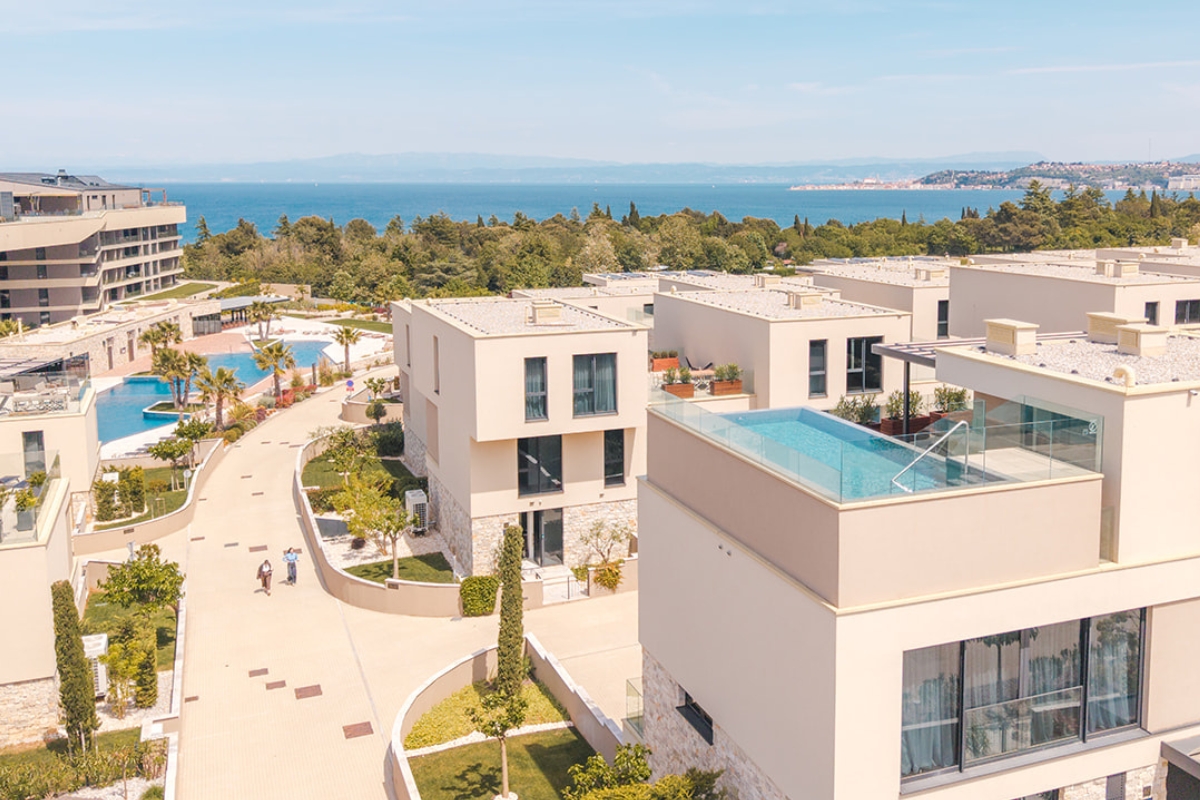
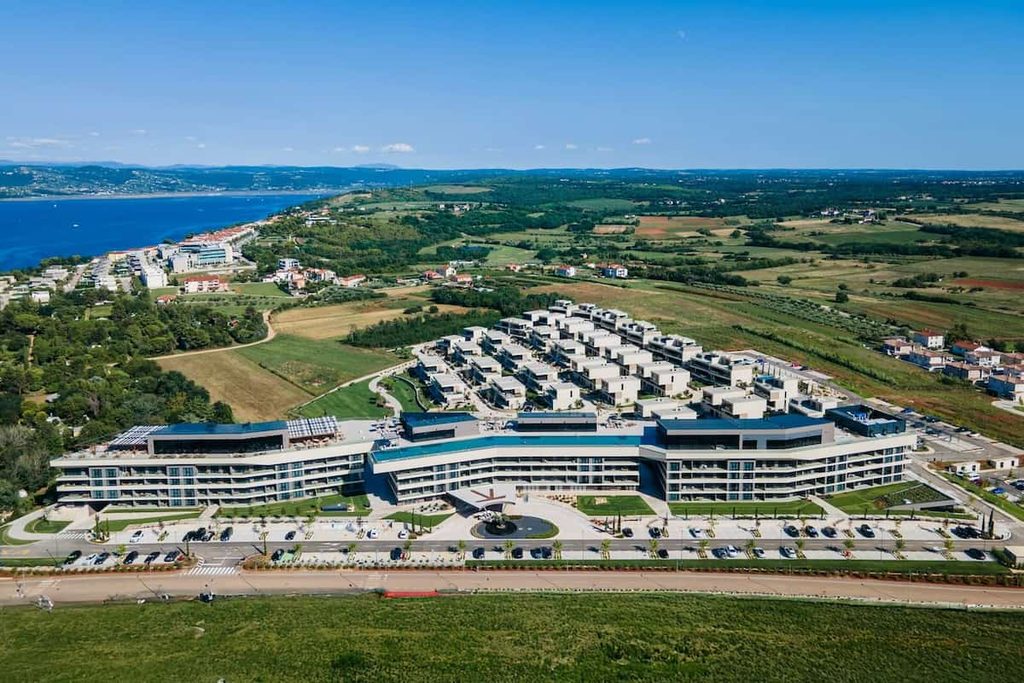
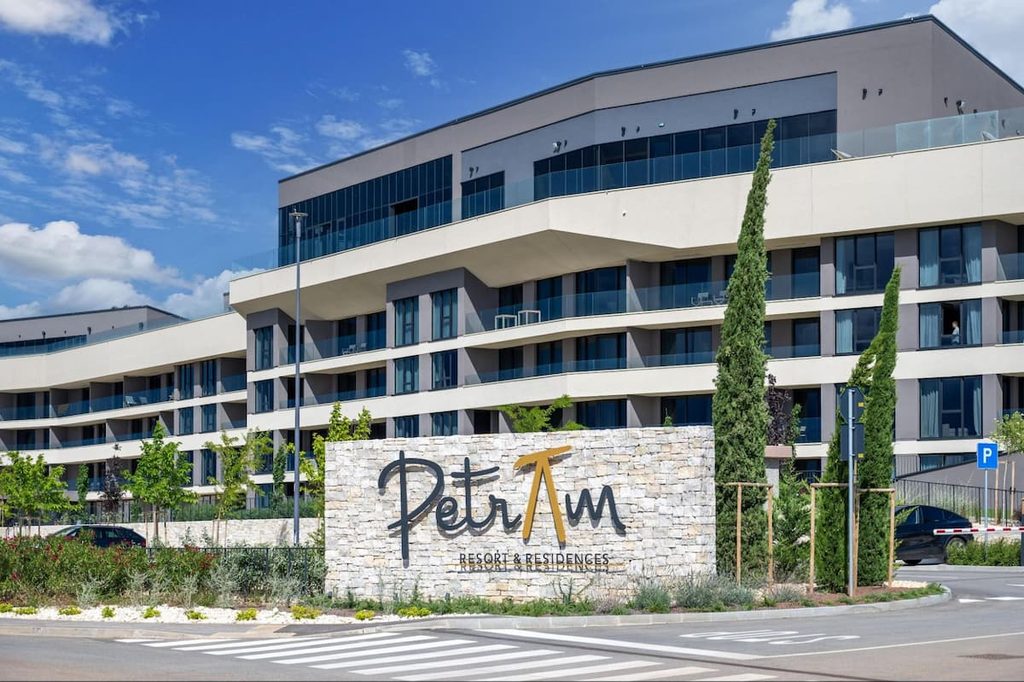
Petram Resort & Residences in Savudrija combines residential offerings with premium amenities and services, creating a comprehensive concept that goes beyond a conventional property purchase. Villas and apartment units are complemented by amenities such as wellness, gastronomy, sports facilities and concierge services, while the proximity of the golf course further expands the possibilities for use.
For international buyers, the flexibility offered by such a property is important. It can serve as a private second home, a place for longer stays, or an asset intended for potential rental during periods when the owner is not using it. Actual rental income depends on market conditions, occupancy, costs and the way the property is used.
The investment value of Petram Resort should therefore be viewed through a combination of several elements: an attractive location in northwestern Istria, limited availability of quality coastal locations, a developed residential concept and a diverse range of amenities. Such a combination may be relevant to a buyer who views the property not only as a place to stay, but also as part of a long-term portfolio.
Petram Resort & Residences combines the Mediterranean way of life with project quality, privacy and the possibility of different models of use. For a buyer thinking long term, property in such an environment can represent a private home on the Adriatic and a potentially valuable part of a broader asset-management strategy.